


Tell us about your operation, and our agents will get you quoted, usually the same business day.
Tell us about your business below to get started:
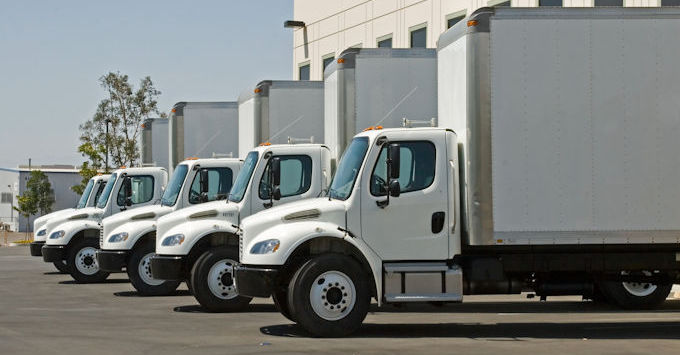
Introduction to the Trucking Industry in Wisconsin
Trucking of goods is a major part of the economy in the greater Appleton and Kimberly areas. Local businesses rely on trucks to move products from paper mills, factories, and farms to stores and homes. Generally speaking, the trucking industry includes any business that uses large vehicles to move cargo from one place to another. Without these vehicles, many stores in Outagamie County would likely run out of goods within a few days.
Insuring a trucking business shares many similarities with insuring other kinds of companies. For instance, just like a retail store or a plumbing business, a trucking company faces everyday risks such as property damage, slip-and-fall accidents, and employee injuries. For these reasons, standard business insurance forms the foundation of a solid protection plan.
Core Insurance Policies for Most Businesses
Most businesses, regardless of what they sell or do, tend to need a few basic types of coverage. These standard policies help protect against common financial losses.
Commercial General Liability Insurance
Commercial General Liability insurance is designed to protect a business if someone claims the company caused them bodily injury or damaged their property. For example, if a visitor slips on an icy sidewalk at a trucking depot, this policy may help cover medical bills, depending on the plan’s specific terms. It generally helps pay legal defense costs if the business is sued over a common accident.
Commercial Property Insurance
Commercial Property insurance helps protect the physical property a business owns, including buildings and tools. If a fire or a severe storm damages an office building, a garage, or the desks and computers inside, this coverage is often used to help pay for repairs or replacements. It typically applies to items that stay in one fixed location.
Commercial Auto Insurance
Commercial auto insurance covers vehicles owned by a business. It helps to pay for injuries and property damage when a driver causes an accident. While some companies use it for a small fleet of cars or delivery vans, it is essential for any business that relies on vehicles for daily operations.
What Makes Trucking Insurance Unique
While trucking companies need the same basic protections as a local grocery store or office, the trucking industry also has very specific needs. The main differences are the sheer size of the vehicles and the fact that the primary work occurs on public roads rather than inside a fixed building.
Because large trucks can cause significant damage in an accident, regular auto insurance is usually not enough. Trucking companies must often follow strict federal and state rules regarding the amount of coverage they carry. Furthermore, the cargo being carried belongs to someone else, introducing a different set of risks if it is damaged, lost, or stolen in transit.
Types of Trucking Operations and Their Risks
Different kinds of trucking businesses face different levels of risk on the road. The distance a truck travels and the items it carries will often dictate the specific types of insurance policies required.
Local Trucking
Local trucking operations generally involve drivers who stay within a small geographic area, usually within a 100-mile radius of Appleton or Kimberly. These drivers are often making deliveries to local stores or homes and typically return to the same station at the end of every shift.
Because local trucks spend a lot of time on city streets, they face a high risk of minor accidents, such as backing into loading docks, scraping mirrors, or hitting stationary objects in tight parking lots. In some cases, these frequent, smaller incidents can add up to significant costs over time.
Regional Trucking
Regional trucking covers a wider territory, often spanning across Wisconsin and into nearby states like Minnesota, Illinois, or Michigan. Drivers may be on the road for a few days at a time and frequently use major highways.
These operations face a mix of city-driving and highway risks. Driving long distances at higher speeds means that when accidents do happen, they are likely to be more severe than a typical local delivery accident. Weather changes can also create unpredictable driving conditions.
Long-Haul Trucking
Long-Haul trucking involves driving across the entire country. These drivers can be away from the Fox Valley for days or weeks at a time, moving cargo thousands of miles across multiple state lines.
The risks for Long-Haul trucking are generally higher due to the extended time spent on the road. Drivers must handle extreme weather, unfamiliar roads, and long hours of highway driving. This constant exposure to the road increases the likelihood of a major accident, making high coverage limits a vital consideration for these businesses.
Sand and Gravel Trucking
Sand and Gravel trucking relies on specialized vehicles, such as dump trucks, to move heavy, loose materials. These trucks are commonly used for construction projects, road repairs, and landscaping work around the Appleton area.
This type of trucking is unique because the vehicles often operate on unpaved roads, construction sites, and uneven ground. This environment increases the risk of a truck tipping over or sustaining damage from debris. Additionally, loose gravel can fly out of the truck bed and crack the windshields of nearby cars, creating unique liability concerns for the owner.
Specialized Policies for the Trucking Industry
To address these unique risks, insurance companies offer specialized policies that go beyond standard business coverage.
Motor Truck Cargo Insurance
Motor Truck Cargo insurance is a specialized policy that helps protect the freight being carried by the truck. If the cargo is damaged or destroyed by accident, fire, or severe weather while in transit, this policy generally helps cover the cost of replacing the goods. Without it, a trucking company might have to pay out of pocket for its clients’ lost property.
Primary Auto Liability Insurance
This is a specific type of Commercial Auto coverage required by law for trucking businesses. It helps pay for injuries or property damage caused to other people when a truck accident occurs. Federal laws often set high minimum limits for this coverage to ensure that victims of severe truck accidents can receive compensation for medical bills and property repairs.
Physical Damage Insurance
Physical Damage insurance focuses on protecting the truck and trailer itself, rather than the damage caused to others. This coverage generally includes two parts: collision coverage, which helps pay for repairs if the truck hits another vehicle or object, and comprehensive coverage, which helps pay for losses caused by events like theft, vandalism, or animal strikes.
How an Independent Agency Can Help You
Navigating the options for commercial trucking insurance can feel overwhelming if you are new to the business. Thiel Insurance maintains local offices staffed by friendly agents who are ready to listen to your specific concerns and answer your questions. As an experienced team, we focus on being your advocate rather than just selling a policy.
The Independent Agency Advantage
There is a major difference between working with an independent insurance agency and a captive agency. A captive agency works for just one single insurance provider and can only offer the products that specific company sells. If that company changes its rates or rules, the captive agent has few options to help you.
In contrast, an independent agency like Thiel Insurance represents multiple insurance companies. This independence allows us to shop around on your behalf. Generally speaking, we can look at options from several providers to find a plan that fits your specific trucking operation, whether you handle local deliveries or long-haul shipping. We are here to listen to your needs and help you find a balance of coverage and cost.
Contact Us Today for a Quote
Every trucking business in the Appleton and Kimberly area is a little bit different, and your insurance coverage should reflect your unique daily operations. If you have questions about which policies might apply to your business, or if you would like to get a quote, please reach out to our team. You can contact Thiel Insurance by phone, email, or by filling out our simple online form to get started.